
The Communications Dilemma for University Presidents
By Andrew Jarrell, Managing Director

Andrew Jarrell
Managing Director
The following piece was originally published by O’Dwyers.
Higher education is under intense scrutiny.
From ramped up federal government oversight, to protests on campus, to growing discontent about the cost of college, universities are facing enormous challenges. As they navigate these obstacles, university presidents are being asked to do far more than ever before. In addition to fundraising and keeping their institutions academically viable, they are expected to address polarizing topics in real time with great political sensitivity, considering multiple stakeholders who often disagree vehemently. To navigate this environment successfully, presidents need to establish a consistent framework for determining when an official response is – and is not – required. When they do choose to speak, they need to be clear on the core values driving the institution’s position.
A Challenging Landscape
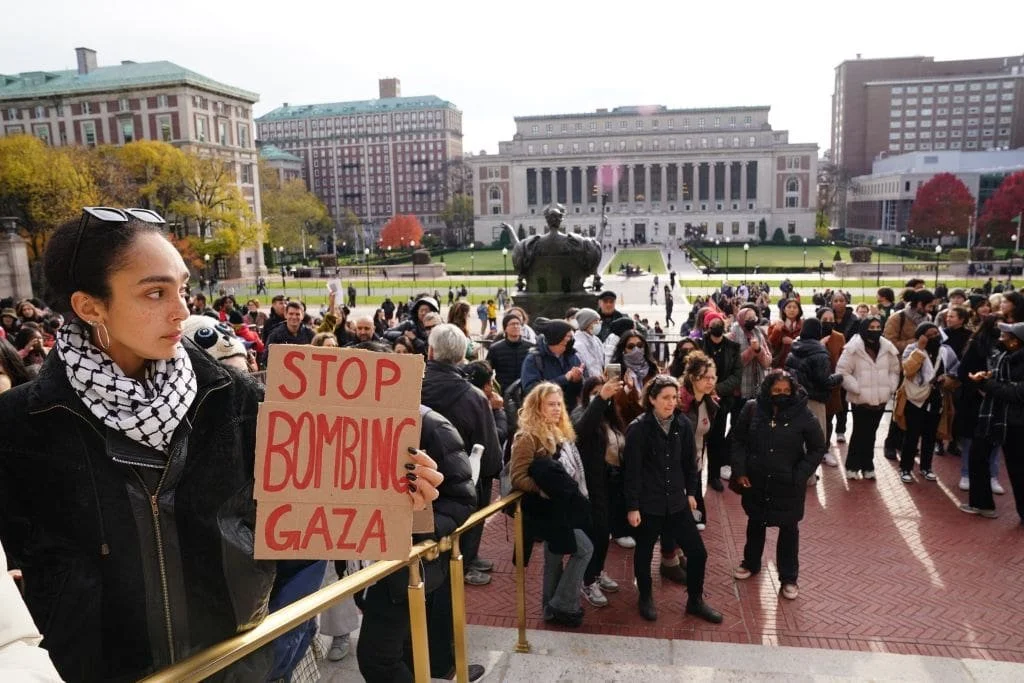
Universities are responding to a barrage of executive orders, investigations, and threats from the Trump administration over their DEI policies, research priorities, response to student protests, and more. Earlier this month, the Department of Justice announced that it found The University of California, Davis School of Medicine used racial proxies in its admissions process in violation of the 2023 Students for Fair Admissions v. Harvard (SFFA) Supreme Court decision. This finding comes less than a week after the Department of Justice announced investigations into several other medical schools for potential violations of the same decision. Elite university leadership also encountered broad, intense criticism for their handling of student protests and activism on campus in 2023 and beyond, especially related to Israel and Palestine. All of this comes at a period where the public is increasingly questioning the value of higher education. According to an NBC News poll, at the end of 2025, nearly two-thirds of registered voters believed that a four-year college degree was not worth the cost.
University presidents have struggled to communicate around these developments with great consequences. The presidents of Harvard University and the University of Pennsylvania resigned following intense fallout from their Congressional testimony on student protests and antisemitism on campus. In June 2025, after struggling to respond to and communicate around pressure from the Trump administration over DEI policies, University of Virginia President James Ryan also stepped down. In these instances, the presidents struggled on two fronts: they lacked clarity on when it was appropriate for them to take a position, and when they did comment, they did not effectively convey their institution’s values. While communications alone won’t solve all these challenges – and it is impossible to please everyone – a deliberate strategy backed by tangible and clear policies can help control the narrative and shift from a reactive stance to a proactive one.
Remain Disciplined
Presidents need to be deliberate about when to communicate. In a world where political and public interest in higher education is increasing, presidents should recognize that their words and statements carry significant weight. As such, they cannot and should not be expected to take a position on every issue that is relevant to their extremely broad and diverse audiences. For this reason, many universities have chosen to embrace a position of institutional neutrality, meaning they will not comment on political and social topics unless the issue directly impacts the core functioning of the institution. University of Chicago President Paul Alivisatos has been a vocal advocate of neutrality, effectively citing the policy to explain his decision to avoid advocacy positions. While neutrality is a subjective policy and far from perfect, it does reflect the right instinct. If universities and their presidents are expected to be everything to everyone, they will fail to stand for anything.
Lead With Your Values
It is not a viable strategy for presidents to avoid commenting substantively and clearly on the significant issues impacting their institutions. As the leader, they are the chief spokesperson and need to convey the university’s position to their diverse audiences. In an effort to appease everyone and out of fear of making a mistake, they often try to avoid taking a stance. This of course happened with the testimony of presidents from Harvard University and University of Pennsylvania in front of Congress when they failed to clearly label antisemitic statements as a violation of university policy. While these are tricky topics and the policies are understandably complex, the key to effective communication is leading with your values. State what you believe in and then explain the policies in place to uphold those values. It is far less reputationally damaging to be criticized for a policy that falls short in upholding your values versus inviting questions and concerns about what you stand for. Current Harvard University President Alan Garber has been clearer about his values, stating unequivocally he will not accept hate on campus and is taking steps to root out bigotry. He has also been clear on his rationale for refusing to accept various Trump administration demands, noting that he views it as a threat to academic independence, among other reasons. This clear, values-driven communication approach has allowed him to more effectively lead the university and given stakeholders clarity on what will drive university policy.
The current pressure on universities and their leadership is extreme. Communicating in this environment is fraught with pitfalls. The presidents who have been and will be most successful are those who establish clear and consistent policies on how they will invoke the school’s institutional voice and lead with their values when responding to crises and threats. They are also, however, those who avoid entering conversations that do not require their leadership.